

Microsoft AZ-900-KR exam dumps : Microsoft Azure Fundamentals (AZ-900 Korean Version)
- Exam Code: AZ-900-KR
- Exam Name: Microsoft Azure Fundamentals (AZ-900 Korean Version)
- Updated: Nov 09, 2026 Q & A: 517 Questions and Answers

 PDF Version Demo

PC Test Engine
Microsoft AZ-900 Korean Value Pack (Frequently Bought Together)

- If you purchase Microsoft AZ-900 Korean Value Pack, you will also own the free online test engine.
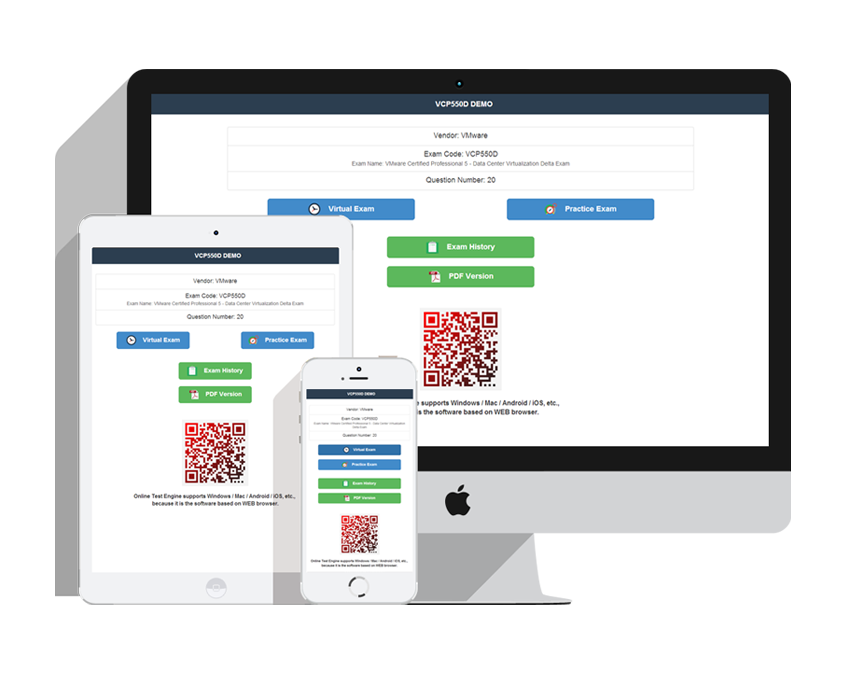
- PDF Version + PC Test Engine + Online Test Engine
- Value Pack Total: $139.98 $89.99
About Microsoft AZ-900 Korean Exam
Money and information both protected: PracticeTorrent supports safe credit card payment for the Microsoft Azure Fundamentals (AZ-900 Korean Version) material and guards your data with a strict information system — 517 practice questions, zero worries in 2026.
Microsoft AZ-900 Korean Exam Overview:
| Certification Vendor: | Microsoft |
|---|---|
| Exam Name: | Microsoft Azure Fundamentals |
| Exam Number: | AZ-900 |
| Exam Format: | Drag and Drop, Multiple Choice, Case Studies |
| Real Exam Qty: | 40-60 |
| Passing Score: | 700 / 1000 |
| Certificate Validity Period: | Lifetime |
| Related Certifications: | Microsoft Certified: Azure Fundamentals |
| Available Languages: | Spanish, Indonesian (Indonesia), Chinese (Simplified), Russian, Chinese (Traditional), Portuguese (Brazil), German, Arabic (Saudi Arabia), English, Korean, Japanese, Italian, French |
| Exam Duration: | 45 minutes |
| Exam Price: | USD 99 |
| Sample Questions: |  |
| Exam Way: | Pearson VUE (Online or Test Center) |
| Pre Condition: | None |
| Official Syllabus URL: | https://learn.microsoft.com/en-us/credentials/certifications/azure-fundamentals/ |
Microsoft AZ-900 Korean Exam Syllabus Topics:
| Section | Weight | Objectives |
|---|---|---|
| Topic 1: Describe Azure architecture and services (35–40%) | 35-40% | - Describe the core architectural components of Azure
|
| Topic 2: Describe Azure management and governance (30–35%) | 30-35% | - Describe features and tools for governing Azure
|
| Topic 3: Describe cloud concepts (25–30%) | 25-30% | - Describe cloud computing
|
AZ-900 Korean FAQ — Efficient Preparation Starts Here
None Eligibility rules do change, so confirm the current requirements on the official page (official AZ-900 Korean exam page) before booking.
45 minutes for 40-60 questions. Efficiency beats exhaustion: the PracticeTorrent software version simulates the real test scene and scores your performance, so every practice hour moves you forward.
Delivery and payment are both safe: we support credit card payment, your information is protected by a strict system, and the product emails automatically within a minute of purchase — unlimited devices, 7*24 support if nothing arrives within 2 hours. If you fail the corresponding AZ-900 Korean exam within 60 days of purchase, we refund in full: provide a scanned enrollment slip plus the official Score Report PDF within 2 days of the exam, processed within 7 days. Excluded: exams within 3 days of purchase, candidate names that don't match the payer, and free or expired products. Or exchange for two equal-value products free.
USD 99 per attempt, 700 / 1000 to pass. Since a retake costs the full fee, prepare with direction: the 517 practice questions from PracticeTorrent focus your effort where the exam points are.
The Microsoft Azure Fundamentals (AZ-900 Korean Version) is Microsoft's certification exam for Microsoft Azure, at the Fundamental level. It validates applied skills employers hire for — a credential worth the effort. Related credentials include Microsoft Certified: Azure Fundamentals.
The Microsoft Azure Fundamentals (AZ-900 Korean Version) blueprint covers 3 domains — including Describe cloud concepts (25–30%) (25-30%), Describe Azure architecture and services (35–40%) (35-40%), Describe Azure management and governance (30–35%) (30-35%). The weightings are your efficiency map: heavy domains first. Every subtopic appears in the outline above.
Yes — download the free Microsoft Azure Fundamentals (AZ-900 Korean Version) demo and judge the question quality before paying. Every purchase stays valid for 365 days with free updates throughout, renewable afterward at 50% off.
Microsoft Azure Fundamentals (AZ-900 Korean Version) Sample Questions:
다음 각 문장에 대해 문장이 사실이라면 예를 선택하십시오. 그렇지 않으면 아니요를 선택하십시오. 참고: 정답은 1점입니다.
Correct Answer:

Explanation:
귀사는 모든 네트워크 리소스를 Azure로 마이그레이션할 계획입니다. Azure를 탐색하여 계획 프로세스를 시작해야 합니다. 먼저 무엇을 만들어야 합니까?
- A. 가상 네트워크
- B. 구독
- C. 관리 그룹
- D. 리소스 그룹
Correct Answer: B 🗳️
Explanation: Only visible for PracticeTorrent members. You can sign-up / login (it's free).
어떤 리소스를 네트워크 보안 그룹 인바운드 보안 규칙의 소스로 사용할 수 있습니까?
- A. 애플리케이션 보안 그룹만
- B. IP 주소, 서비스 태그 및 애플리케이션 보안 그룹
- C. 서비스 태그만
- D. IP 주소만
Correct Answer: A 🗳️


다음 각 문장에 대해 문장이 사실이라면 예를 선택하십시오. 그렇지 않으면 아니요를 선택하십시오. 참고: 정답은 1점입니다.
Correct Answer:

Explanation:
Section: Understand Azure Pricing and Support
Viewing page 1 out of 104 pages.
Viewing questions 1-5 out of 517 questions.


Related Exams
Related Certifications
Over 81356+ Satisfied Customers
Popular Vendors
What Clients Say About Us
Why Choose Us
-
QUALITY AND VALUE
PracticeTorrent Practice Exams are written to the highest standards of technical accuracy, using only certified subject matter experts and published authors for development - no all study materials.
-
TESTED AND APPROVED
We are committed to the process of vendor and third party approvals. We believe professionals and executives alike deserve the confidence of quality coverage these authorizations provide.
-
EASY TO PASS
If you prepare for the exams using our PracticeTorrent testing engine, It is easy to succeed for all certifications in the first attempt. You don't have to deal with all dumps or any free torrent / rapidshare all stuff.
-
TRY BEFORE BUY
PracticeTorrent offers free demo of each product. You can check out the interface, question quality and usability of our practice exams before you decide to buy.
Our Clients











Get the high score and achieve the certification with our latest practice torrent. The complete exam prep torrent contains the questions & answers which are related to the actual test. You can pass your actual test at first attempt.
Tags
- KCNA practice torrentMay 28, 2022
- AZ-104J practice torrentMay 28, 2022
- AB-410 practice torrentMay 28, 2022
- NS0-516 practice torrentMay 28, 2022
Contact Us
From Monday to Saturday
Support: Contact now
If you have any question please leave me your email address, we will reply and send email to you in 12 hours.
Copyright © 2026 PracticeTorrent NETWORK CO.,LIMITED. All Rights Reserved. All trademarks used are properties of their respective owners. Privacy Policy