

Microsoft Querying Data with Transact-SQL (70-761日本語版) : 70-761日本語
- Exam Code: 70-761J
- Exam Name: Querying Data with Transact-SQL (70-761日本語版)
- Updated: Nov 17, 2026 Q & A: 205 Questions and Answers

 PDF Version Demo

PC Test Engine
Microsoft 70-761日本語 Value Pack (Frequently Bought Together)

- If you purchase Microsoft 70-761日本語 Value Pack, you will also own the free online test engine.
- PDF Version + PC Test Engine + Online Test Engine
- Value Pack Total: $139.98 $89.99
About Microsoft 70-761日本語 Exam
In 2026, a year of free updates, a free demo before buying, and support that answers quickly — that is the full service picture behind the 70-761日本語 package. PracticeTorrent includes all of it with 205 verified practice questions.
Microsoft 70-761日本語 Exam Overview:
| Certification Vendor: | Microsoft |
|---|---|
| Exam Name: | Querying Data with Transact-SQL |
| Exam Number: | 70-761 |
| Passing Score: | 700 (on a 1000 scale) |
| Available Languages: | Russian, French, Portuguese (Brazil), Korean, German, Spanish, Japanese, English, Chinese (Simplified) |
| Related Certifications: | MCSA: SQL 2016 Database Development 70-762 Developing SQL Databases |
| Exam Price: | USD 165 (varies by country/region) |
| Exam Duration: | 120 minutes |
| Exam Format: | Case studies, Multiple response, Multiple choice, Drag and drop |
| Real Exam Qty: | 40-60 (approximate) |
| Certificate Validity Period: | Retired (no longer available; certification has been discontinued) |
| Recommended Training: | Microsoft Learn T-SQL Learning Paths SQL Server T-SQL Documentation |
| Exam Registration: | Microsoft Learn Certification Page Pearson VUE Microsoft Exams |
| Sample Questions: |  |
| Exam Way: | Computer-based exam delivered via online proctoring or authorized test centers (Pearson VUE, historically). |
| Pre Condition: | No formal prerequisites; recommended knowledge of relational databases and basic Transact-SQL. |
| Official Syllabus URL: | https://learn.microsoft.com/en-us/credentials/certifications/exams/70-761/ |
Microsoft 70-761日本語 Exam Syllabus Topics:
| Section | Objectives |
|---|---|
| Topic 1: Programming with Transact-SQL | - Control of flow
|
| Topic 2: Data aggregation and grouping | - Aggregation functions
|
| Topic 3: Query multiple tables | - Set operators
|
| Topic 4: Advanced querying features | - Windowing functions
|
| Topic 5: Modify data | - Data manipulation language (DML)
|
| Topic 6: Work with SELECT queries | - Query fundamentals
|
Answers About the Microsoft Querying Data with Transact-SQL (70-761日本語版) Practice Package
Many candidates combine practice questions with official training. Recommended options include:
This package includes 205 practice questions for the Microsoft Querying Data with Transact-SQL (70-761日本語版) exam. Every answer is verified by an experienced team of experts, so you can trust what you study.
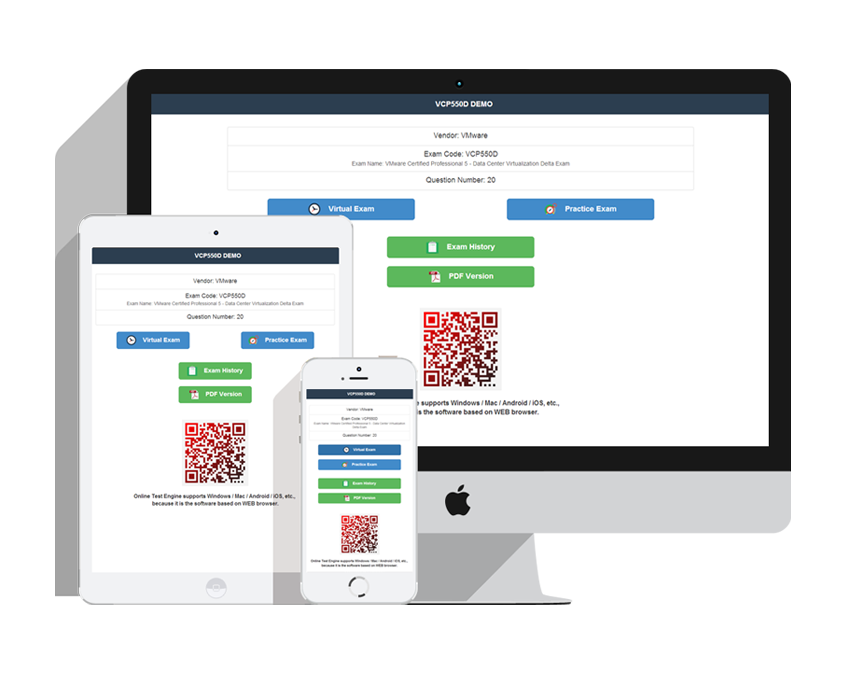
Yes. The online test engine runs entirely in a web browser, which is why it works identically on Windows, Mac, Android, and iOS without any installation. If you can open a browser, you can practice — on a computer at home or a phone on the move.
The Microsoft Querying Data with Transact-SQL (70-761日本語版) exam contains 40-60 (approximate) questions, and you will have 120 minutes minutes to complete them. Simulating this exact combination during practice builds both speed and accuracy.
The Microsoft Querying Data with Transact-SQL (70-761日本語版) exam requires a score of 700 (on a 1000 scale) to pass, and the official registration fee is USD 165 (varies by country/region). Thorough preparation is the most reliable way to protect that investment.
You can register for the Microsoft Querying Data with Transact-SQL (70-761日本語版) exam through the official channels:
The PC test engine installs on Windows and runs on a standard Java environment, which most computers already have or can add in minutes. Once installed, it simulates the real exam scenario with timed sessions, automatic scoring, and mistake tracking — a full practice lab on your own computer.
The Microsoft Querying Data with Transact-SQL (70-761日本語版) practice questions are organized around the official exam objectives. Key topics include:
- Programming with Transact-SQL ()
- Advanced querying features ()
- Work with SELECT queries ()
Coverage follows the official syllabus, so your practice time always maps to exam content.
No formal prerequisites; recommended knowledge of relational databases and basic Transact-SQL.
You can confirm the current eligibility requirements on the official 70-761日本語 exam page before you register.
Microsoft Querying Data with Transact-SQL (70-761日本語版) Sample Questions:
次のテーブルを含むデータベースがあります。
配達員がInvoicesテーブルのCustomerID列に誤った値を入力し、ConfirmedReceivedBy列に "所有者Timが署名したパッケージ"というテキストを入力します。 CustomerNameフィールドにTimという単語を含むInvoicesテーブル内のレコードを見つける必要があります。
Transact-SQLステートメントをどのように完成させるべきですか? 回答するには、適切なTransact-SQLセグメントを正しい場所にドラッグします。 各Transact-SQLセグメントは、1回、複数回、またはまったく使用しないことができます。 コンテンツを表示するには、ペイン間の分割バーをドラッグするか、スクロールする必要があります。
注:それぞれ正しい選択は1ポイントの価値があります。
Correct Answer:

Explanation
Box 1: SELECT CustomerID FROM Sales.Invoices
Box 2: INNER JOIN Sales.Customers.CustomerID = Sales.Invoices.CustomerID Box 3: WHERE CustomerName LIKE '%tim%' Box 4: WHERE ConfirmedReceiveBy IN (SELECT CustomerName FROM Sales.Customers)
注:この質問は、同じシナリオを使用する一連の質問の一部です。 あなたの便宜のために、シナリオは各質問で繰り返されます。 各質問はそれぞれ異なる目標と答えの選択を提示しますが、シナリオの本文はこのシリーズの各質問でまったく同じです。
あなたは顧客の注文を追跡するためのデータベースを開発しています。 データベースには以下のテーブルが含まれています。
Sales.Customers、Sales.Orders、およびSales.OrderLines。
次の表は、Sales.Customersの列について説明しています。
次の表は、Sales.Ordersの列について説明しています。
顧客情報を返すようにインデックス付きビューを設計する必要があります。
インデックス付きビューを作成するための要件は何ですか? ドロップダウンメニューを使用して、各ステートメントを完成させる回答の選択肢を選択します。
Correct Answer:

Explanation
Box 1: Deterministic
The definition of an indexed view must be deterministic. A view is deterministic if all expressions in the select list, as well as the WHERE and GROUP BY clauses, are deterministic.
Box 2: SCHEMABINDING
Create the view by using the WITH SCHEMABINDING option.
Box 3: unique clustered
The first index created on a view must be a unique clustered index.
References: https://docs.microsoft.com/en-us/sql/relational-databases/views/create-indexed-views
注:この質問は、同じシナリオを使用する一連の質問の一部です。 あなたの便宜のために、シナリオは各質問で繰り返されます。 各質問は異なる目標と答えの選択を提示しますが、シナリオのテキストはこのシリーズの各質問でまったく同じです。
あなたは顧客の注文を追跡するためのデータベースを開発しています。 データベースには、以下のテーブルが含まれています。
Sales.Customers、Sales.Orders、およびSales.OrderLines。 次の表は、Sales.Customersの列について説明しています。
次の表は、Sales.Ordersの列について説明しています。
次の表は、Sales.OrderLinesの列について説明しています。
パラメータとしてCustomerIDを受け取り、以下の情報を返す関数を作成する必要があります。
- 顧客のすべての顧客情報
- 顧客の注文総数
- 顧客の全注文の合計金額
- 注文ごとの商品の平均数量
関数定義をどのように完成させるべきですか 回答するには、適切なTransact-SQLセグメントを正しい場所にドラッグします。 Transact-SQLセグメントは、1回、複数回、またはまったく使用しないことができます。 コンテンツを表示するには、ペイン間の分割バーをドラッグするか、スクロールする必要があります。
Correct Answer:

Explanation
Box1: RETURNS TABLE
The function should return the following information:
- all customer information for the customer
- the total number of orders for the customer
- the total price of all orders for the customer
- the average quantity of items per order
Box 2: COUNT
The function should return the total number of orders for the customer.
Box 3: SUM
The function should return the total price of all orders for the customer.
Box 3. AVG
The function should return the average quantity of items per order.
Box 4: GROUP BY
Need to use GROUP BY for the aggregate functions.
References: https://msdn.microsoft.com/en-us/library/ms186755.aspx
注:この質問は、同じシナリオを提示する一連の質問の一部です。 シリーズの各質問には、上記の目標を達成できる独自の解決策が含まれています。 いくつかの質問セットには1つ以上の正しい解決策があるかもしれないが、他の質問セットには正しい解決策がないかもしれない。
このセクションの質問に答えた後。 あなたはそれに戻ることはできません。 その結果、これらの質問はレビュー画面に表示されません。
あなたは、あなたの会社が販売している製品に関する情報を格納するProductsという名前のテーブルを持っています。テーブルには、製品の小売価格情報を格納するListPriceという名前の列があります。
一部の製品は、社内でのみ使用されます。これらの製品の記録は、目録の目的で製品表に保持されます。これらの製品の価格はそれぞれ$ 0.00です。 お客様はこれらの製品を注文することはできません。
$ 100よりも10%安い製品の定価を引き上げる必要があります。顧客が発注できる製品の価格を引き上げるだけで済みます。
解決策:次のTransact-SQLステートメントを実行します:
解決策は目標を達成していますか?
- A. はい
- B. いいえ
Correct Answer: B 🗳️
salesスキーマにProductsという名前のテーブルを含むデータベースがあります。 テーブルは、次のTransact-SQLステートメントを実行することによって作成されました。
表には、以下に示すデータが含まれています。
以下の値と列見出しを以下の順序で表示するレポートを作成しています。
* Averageという名前の製品の平均価格
* stocKという名前のLowestNumber内の製品の最小数
* HighestPriceという最高製品価格
レポートの結果を返すためのクエリを作成する必要があります。クエリは次の要件を満たしている必要があります。
レポートの結果を返すためのクエリを書く必要があります。 照会は以下の要件を満たす必要があります。
* 組み込みの集計関数を使用します。*数学関数。
* 2部構成の名前と表を使用してください。
* 列名を修飾するには表の別名を使用してください。
* ASキーワードを使用してすべてのフィールドのエイリアスを定義します。
* テーブルエイリアスとしてテーブル名の最初の文字を使用してください。
* Row_number関数を使用しないでください。
* オブジェクト名を角括弧で囲まないでください。
*変数を使わないでください。
正しいTransact-SQLの一部は、以下の回答領域にあります。
問題を解決し、記載されている目標または要件を満たすコードを回答領域に入力します。
提供されているコード内およびその下にコードを追加できます。
Correct Answer:
TRY_Convert
Viewing page 1 out of 41 pages.
Viewing questions 1-5 out of 205 questions.


Related Exams
- Developing SQL Databases (70-762日本語版) practice torrent
- Developing Microsoft SQL Server Databases practice torrent
- Designing and Providing Microsoft Volume Licensing Solutions to Large Organisations (74-678日本語版) practice torrent
- Querying Data with Transact-SQL (070-761日本語版) practice torrent
- Provisioning SQL Databases (70-765 Deutsch Version) practice torrent
Related Certifications
Over 81356+ Satisfied Customers
What Clients Say About Us
Why Choose Us
-
QUALITY AND VALUE
PracticeTorrent Practice Exams are written to the highest standards of technical accuracy, using only certified subject matter experts and published authors for development - no all study materials.
-
TESTED AND APPROVED
We are committed to the process of vendor and third party approvals. We believe professionals and executives alike deserve the confidence of quality coverage these authorizations provide.
-
EASY TO PASS
If you prepare for the exams using our PracticeTorrent testing engine, It is easy to succeed for all certifications in the first attempt. You don't have to deal with all dumps or any free torrent / rapidshare all stuff.
-
TRY BEFORE BUY
PracticeTorrent offers free demo of each product. You can check out the interface, question quality and usability of our practice exams before you decide to buy.
Our Clients











Get the high score and achieve the certification with our latest practice torrent. The complete exam prep torrent contains the questions & answers which are related to the actual test. You can pass your actual test at first attempt.
Tags
- SC-100J practice torrentMay 28, 2022
- HPE7-A12 practice torrentMay 28, 2022
- DP-600-KR practice torrentMay 28, 2022
- AZ-305-KR practice torrentMay 28, 2022
Contact Us
From Monday to Saturday
Support: Contact now
If you have any question please leave me your email address, we will reply and send email to you in 12 hours.
Copyright © 2026 PracticeTorrent NETWORK CO.,LIMITED. All Rights Reserved. All trademarks used are properties of their respective owners. Privacy Policy