

CompTIA A+ Certification Exam (901) (220-901日本語版) : 220-901日本語
- Exam Code: 220-901-JPN
- Exam Name: CompTIA A+ Certification Exam (901) (220-901日本語版)
- Updated: May 31, 2026 Q & A: 695 Questions and Answers

 PDF Version Demo

PC Test Engine
CompTIA 220-901日本語 Value Pack (Frequently Bought Together)

- If you purchase CompTIA 220-901日本語 Value Pack, you will also own the free online test engine.
- PDF Version + PC Test Engine + Online Test Engine
- Value Pack Total: $139.98 $89.99
About CompTIA 220-901日本語 Exam
Secure payment
We always attach high importance of our clients' benefit. For your property safety visiting and buy our 220-901日本語 : CompTIA A+ Certification Exam (901) (220-901日本語版) valid pdf torrent, we cooperate with the well-known reputation platform like Credit Card to receive your payment. So don't worry you'll lose your money. You can use your credit card which suitable for Credit Card. Choose our CompTIA A+ Certification Exam (901) (220-901日本語版) sure pass torrent, you will 100% pass.
After purchase, Instant Download: Upon successful payment, Our systems will automatically send the product you have purchased to your mailbox by email. (If not received within 12 hours, please contact us. Note: don't forget to check your spam.)
Exam Topics for CompTIA A+ 220-901
Dealing with the flexible, employee as well as standard working structures from Android and iPhone to Windows as well as Linux. Organization conventions like IPv4, IPv6, DHCP, and also subnet shroud to set up and also sustain wired as well as remote companies. Utilizing the nuts as well as bolts of virtualization, dispersed computer. Applying requirements of customers like help resolve IT issues. Selection trees for identifying, resolving, and also archiving fundamental tools and also show problems.
Mobile computing, protection and risk management, troubleshooting OSs/devices/apps/ services (by utilizing Windows operating systems as a recommendation). Utilizing networking devices including cabling, buttons and routers. Using virtualization as well as distributed computer. Organizing conventions consisting of IPv4, IPv6, DHCP as well as subnet shroud to set up and sustain wired and also remote companies. Networking fundamentals like the OSI version plus fundamental cabling. Setting up advantages as a switch as well as router. Troubleshooting fundamental issues with equipment, networks, OSs/devices/apps/ services( by using Windows operating systems as a reference).
Domain name 1: “Mount as well as set up PCs, servers, mobile phones, and also peripherals to fulfill business demands.” Domain name 2: “Maintain a COMPUTER, web server, smartphone, and also peripheral to minimize risk and also the expense of disturbance, recovery, as well as reconstruction.” Domain 3: “Take Care Of Computers (by utilizing laptop computers as a referral).”. Domain name 4: “Install/configure printers (by utilizing printers as a referral).”.
CompTIA 220-901 Exam Syllabus Topics:
| Topic | Details |
|---|---|
| Hardware34% | |
| Given a scenario, configure settings and use BIOS/UEFI tools on a PC. | 1. Firmware upgrades/flash BIOS 2. BIOS component information
3.BIOS configurations
4.Built-in diagnostics
|
| Explain the importance of motherboard components, their purpose and properties. | 1.Sizes
2.Expansion slots
3.RAM slots
6.CMOS battery
10.Bus speeds |
| Compare and contrast various RAM types and their features. | 1.Types
a)Single channel vs. dualchannel vs. triple channel
2.RAM compatibility |
| Install and configure PC expansion cards. | 1.Sound cards 2.Video cards 3.Network cards 4.USB cards 5.Firewire cards 6.Thunderbolt cards 7.Storage cards 8.Modem cards 9.Wireless/cellular cards 10.TV tuner cards 11.Video capture cards 12.Riser cards |
| Install and configure storage devices and use appropriate media. | 1.Optical drives
2.Magnetic hard disk drives
3.Hot swappable drives
5.RAID types
6.Tape drive
|
| Install various types of CPUs and apply the appropriate cooling methods. | 1.Socket types
|
| Compare and contrast various PC connection interfaces, their characteristics and purpose. | 1.Physical connections
3.Characteristics
|
| Install a power supply based on given specifications. | 1.Connector types and their voltages
|
| Given a scenario, select the appropriate components for a custom PC configuration to meet customer specifications or needs. | 1.Graphic/CAD/CAM design workstation
2.Audio/video editing workstation
3.Virtualization workstation
4.Gaming PC
5.Home theater PC
6.Standard thick client
|
| Compare and contrast types of display devices and their features. | 1.Types
2.Refresh/frame rates
|
| Identify common PC connector types and associated cables. | 1.Display connector types
2.Display cable types
3.Device cables and connectors
4.Adapters and convertors
|
| Install and configure common peripheral devices. | 1.Input devices
2.Output devices
3.Input & output devices
|
| Install SOHO multifunction device/printers and configure appropriate settings. | 1.Use appropriate drivers for agiven operating system
2.Device sharing
3.Public/shared devices
|
| Compare and contrast differences between the various print technologies and the associated imaging process. | 1.Laser
2.Inkjet
3.Thermal
4.Impact
5.Virtual
|
| Given a scenario, perform appropriate printer maintenance. | 1.Laser
2.Therma
3.Impact
4.Inkjet
|
| Networking 21% | |
| Identify the various types of network cables and connectors. | 1.Fiber
2.Twisted Pair
3.Coaxial
|
| Compare and contrast the characteristics of connectors and cabling. | 1.Fiber
2.Twisted pair
3.Coaxial
|
| Explain the properties and characteristics of TCP/IP. | 1.IPv4 vs. IPv6 2.Public vs. private vs. APIPA/link local 3.Static vs. dynamic 4. Client-side DNS settings 5.Client-side DHCP 6. Subnet mask vs. CIDR 7.Gateway |
| Explain common TCP and UDP ports, protocols and their purpose. | 1.Ports
2.Protocols
3.TCP vs. UDP |
| Compare and contrast various WiFi networking standards and encryption types. | 1.Standards
2.Encryption types
|
| Given a scenario, install and configure SOHO wireless/ wired router and apply appropriate settings. | 1.Channels 2.Port forwarding, port triggering 3.DHCP (on/off) 4.DMZ 5.NAT/DNAT 6.Basic QoS 7.Firmware 8. UPnP |
| Compare and contrast Internet connection types, network types and their features. | 1.Internet connection types
2.Network Types
|
| Compare and contrast network architecture devices, their functions and features. | 1.Hub 2.Switch 3.Router 4.Access point 5.Bridge 6.Modem 7.Firewall 8.Patch panel 9.Repeaters/extenders 10.Ethernet over Power 11.Power over Ethernet injector |
| Given a scenario, use appropriate networking tools. | 1.Crimper 2.Cable stripper 3.Multimeter 4.Tone generator and probe 5.Cable tester 6.Loopback plug 7.Punchdown tool 8.WiFi analyzer |
| Mobile Devices 17% | |
| Install and configure laptop hardware and components. | 1.Expansion options
2.Hardware/device replacement
|
| Explain the function of components within the display of a laptop. | 1.Types
2.WiFi antenna connector/placement |
| Given a scenario, use appropriate laptop features. | 1.Special function keys
Airplane mode |
| Explain the characteristics of various types of other mobile devices. | 1.Tablets 2.Smartphones 3.Wearable technology devices
4.Phablets |
| Compare and contrast accessories and ports of other mobile devices. | 1.Connection types
|
| Hardware and Network Troubleshooting 28% | |
| Given a scenario, troubleshoot common problems related to motherboards, RAM, CPU and power with appropriate tools. | 1.Common symptoms
Distended capacitors 2.Tools
|
| Given a scenario, troubleshoot hard drives and RAID arrays with appropriate tools. | 1.Common symptoms
|
| Given a scenario, troubleshoot common video, projector and display issues. | 1.Common symptoms
|
| Given a scenario, troubleshoot wired and wireless networks with appropriate tools. | 1.Common symptoms
2.Hardware tools
3.Command line tools
|
| Given a scenario, troubleshoot and repair common mobile device issues while adhering to the appropriate procedures. | 1.Common symptoms
|
| Given a scenario, troubleshoot printers with appropriate tools. | 1.Common symptoms
2.Tools
|
Reference: https://certification.comptia.org/certifications/a
Free demos before purchase
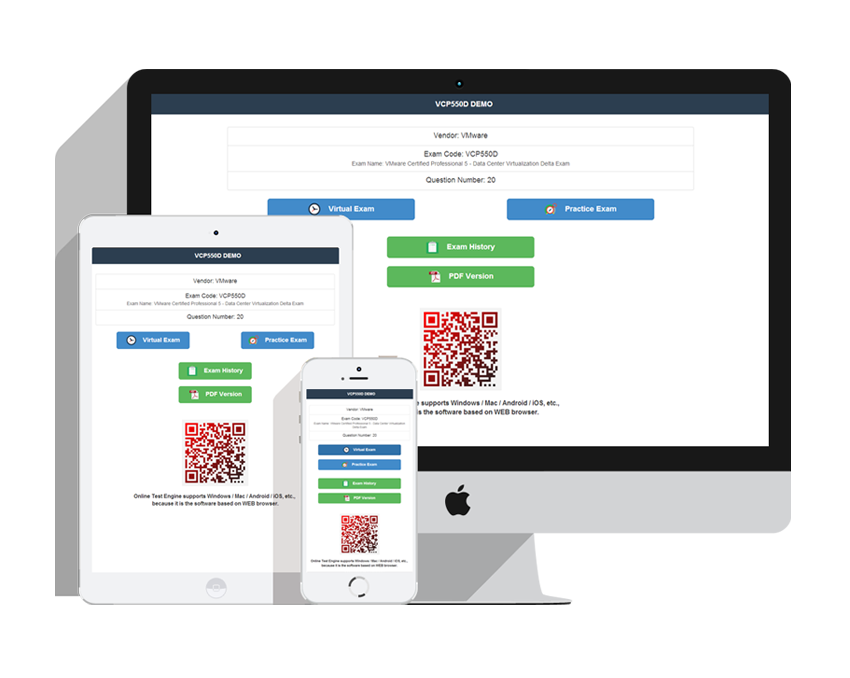
You may hesitate whether to take our software, or you're worry about it's worthy of buying it. It's easy to ensure your heart. We provide three different versions of A+ CompTIA A+ Certification Exam (901) (220-901日本語版) free practice demos (PDF/PC Test Engine/Online Test Engine) for you, freely. It's simple and convenient for you to get the demos, just click our links on the product page. These CompTIA A+ Certification Exam (901) (220-901日本語版) demos will show you our whole style and some test question for you. If you are satisfactory with our model, you can pay for it then our system will send you the CompTIA A+ Certification Exam (901) (220-901日本語版) practice dumps within ten minutes.
Man struggles up wards. People desire for higher positions, so they should study hard and try to attain the CompTIA A+ Certification Exam (901) (220-901日本語版) certification for what they want. But there are exactly many barriers on the way you forward. You want a higher position in the industry, so you want to pass the CompTIA A+ Certification Exam (901) (220-901日本語版) exam, however, you feel boring, tired and fruitless when you prepare for your exam. Undoubtedly, it is the barrier separates you and your important CompTIA A+ Certification Exam (901) (220-901日本語版) certification. Play a leading role of worldwide certification dumps, we'll help you clear all the barriers in your road to pass the A+ CompTIA A+ Certification Exam (901) (220-901日本語版) actual exam. We are able to make your study more acceptable, more interesting and happier. We stand behind you, support you to pass the exam. It's absolutely convenient. Apply our CompTIA A+ Certification Exam (901) (220-901日本語版) latest practice pdf, you can study in everywhere and everyplace you want with your mobile phone. It's not necessary for you to spend a lot of time to practice the 220-901日本語 free study torrent and you're able to study just in your short leisure time. The certificate will be sent to your pocket after only 20~30 hours study with CompTIA CompTIA A+ Certification Exam (901) (220-901日本語版) sure pass torrent by our examination database. Once you purchase, our system will send you the subjects by email instantly. Furthermore our professional team will checks and updates our software frequently. That is to say, we'll send you the newest and updated CompTIA A+ Certification Exam (901) (220-901日本語版) valid pdf torrent to you within one year after purchase. And over a year, we will give you the priority of half-off for buying our products and send you different discount activities information about our A+ CompTIA A+ Certification Exam (901) (220-901日本語版) latest practice pdf. In addition, our team is famous for our high passing rate which up to 99%, so you completely needn't worry about our quality. Moreover, you can apply for full refund with your CompTIA A+ Certification Exam (901) (220-901日本語版) failed certification if you failed in your exam or change any other version of our products. Actually, we devotes ourselves the purpose of customers first, and we ensure you'll get what you want without a little bit of regret after choose us CompTIA A+ Certification Exam (901) (220-901日本語版) training torrent. You trust us, we return you the victory.


Related Exams
- CompTIA A+ Certification Exam: Core 2 practice torrent
- CompTIA A+ Certification Exam: Core 1 (220-1001日本語版) practice torrent
- CompTIA Instructor+ Exam practice torrent
- CompTIA A+ Certification Exam: Core 2 (220-1002 Deutsch Version) practice torrent
- CompTIA A+ Certification Exam: Core 2 practice torrent
Related Certifications
Over 81353+ Satisfied Customers
Popular Vendors
What Clients Say About Us
Why Choose Us
-
QUALITY AND VALUE
PracticeTorrent Practice Exams are written to the highest standards of technical accuracy, using only certified subject matter experts and published authors for development - no all study materials.
-
TESTED AND APPROVED
We are committed to the process of vendor and third party approvals. We believe professionals and executives alike deserve the confidence of quality coverage these authorizations provide.
-
EASY TO PASS
If you prepare for the exams using our PracticeTorrent testing engine, It is easy to succeed for all certifications in the first attempt. You don't have to deal with all dumps or any free torrent / rapidshare all stuff.
-
TRY BEFORE BUY
PracticeTorrent offers free demo of each product. You can check out the interface, question quality and usability of our practice exams before you decide to buy.
Our Clients











Get the high score and achieve the certification with our latest practice torrent. The complete exam prep torrent contains the questions & answers which are related to the actual test. You can pass your actual test at first attempt.
Tags
- C_C4HCX practice torrentMay 28, 2022
- Data-Architect practice torrentMay 28, 2022
- OG0-093 practice torrentMay 28, 2022
- ACD101 practice torrentMay 28, 2022
Contact Us
From Monday to Saturday
Support: Contact now
If you have any question please leave me your email address, we will reply and send email to you in 12 hours.
Copyright © 2026 PracticeTorrent NETWORK CO.,LIMITED. All Rights Reserved. All trademarks used are properties of their respective owners. Privacy Policy